Inflation forces restaurants to decide what kind of expensive they are willing to become.
For Nóri Vidó, the line is the Margherita.
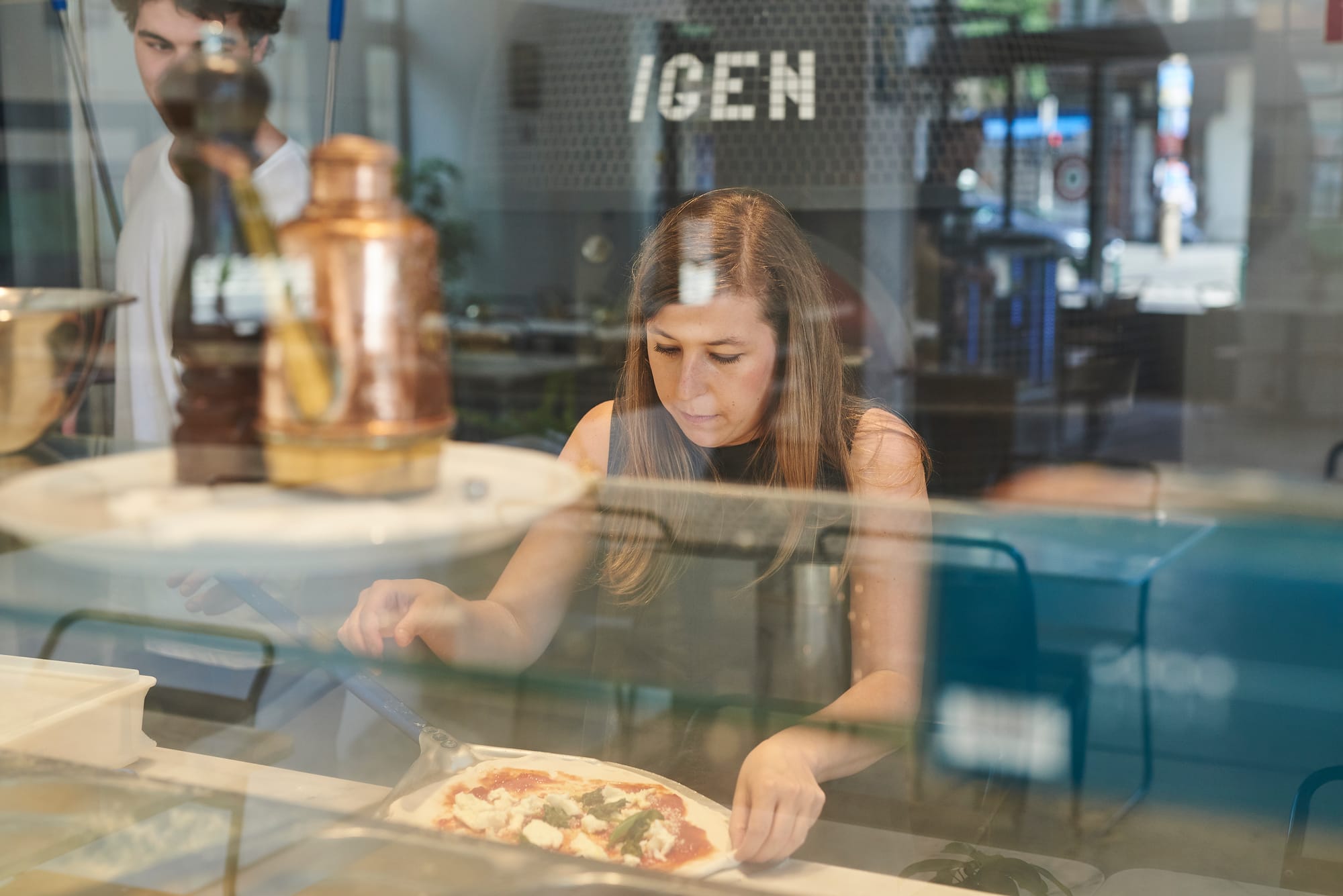
At Igen ("Yes"), her Neapolitan pizzeria in Budapest, the Margherita is 3,290 HUF (€9.2). Ham is 3,990 HUF (€11.2), quattro formaggi 4,190 HUF (€11.8), and Parma ham with arugula and parmesan 4,490 HUF (€12.6). The Margherita is not where she wants to recover lost margin: it is the dish that keeps the restaurant open to people who still want to come out, but are watching the bill.
She believes portion size and ingredient quality are untouchable, even under extreme inflationary pressure, and prefers sacrificing margins over turning her restaurants into “special occasion only” places.
Vidó runs Igen and Ide ("Here"), two pizza concepts built around different Italian traditions, and Oda ("There") at Czakó Garden, an all-day restaurant in Buda.
Her strategy is to keep prices low at the expense of profit margins.
What has actually become more expensive in the past few months?
“Labour costs, significantly. That’s now the biggest expense.”
Vidó says wages in her restaurants have risen by around 30% over the past two years. Staff feel inflation too, so wage expectations move with the rest of the economy. She describes her pay as mid-range, but says she constantly monitors market averages and tries to keep up.
Is this a genuinely new price hike, or old cost pressure finally arriving?
The current geopolitical noise has not yet created a major new price shock for her restaurants, but that could change in three months. Since many of her ingredients move through Italy, transport costs and currency still matter. But this is not yet a case of one new event forcing an immediate menu rewrite.
One unusual tailwind , in her telling: the forint firmed against the euro after the Hungarian elections in April, which, for an importer, helped.
How often do you review prices?
“We review prices every three months, but we raise them much less often.”
Pricing is not something she delegates completely. At Oda, the last price increase was in March 2025. Vidó benchmarks against competitors and tries to stay as affordable as possible.