A note before we start. First, we've seen a real jump in sign-ups, and we're now close to 400 people. Welcome all, we're so glad you're here. Plancha is meant to be useful to people who operate hospitality businesses, not a decorative object in your inbox, which means we need to hear from you: what lands, what doesn't, what you'd actually use. Be happy, be annoyed, disagree with us: hello@plancha.food
Second, if you're reading this in your inbox, this is a good moment to click "view in browser." The website looks considerably better than it did a few weeks ago.
Now, to the series.
Inflation is back in Europe: fuel feeding into raw material costs, taxes rising, and a guest who reads the same alarming news you do and decides to order the glass instead of the bottle. It hits operators twice: once on the buying side, where even napkins costs more, and again on the spending side, where the average check softens because the customer is being careful.
So over the next three editions we're asking three operators we rate, one in Romania, one in Hungary, one in Austria, the same set of questions. Not just "what got expensive", but the harder operational stuff: how do you decide when to raise a price, which dishes absorb the increase, what you tell staff to say at the table, and how you read a guest who is spending less without saying so.
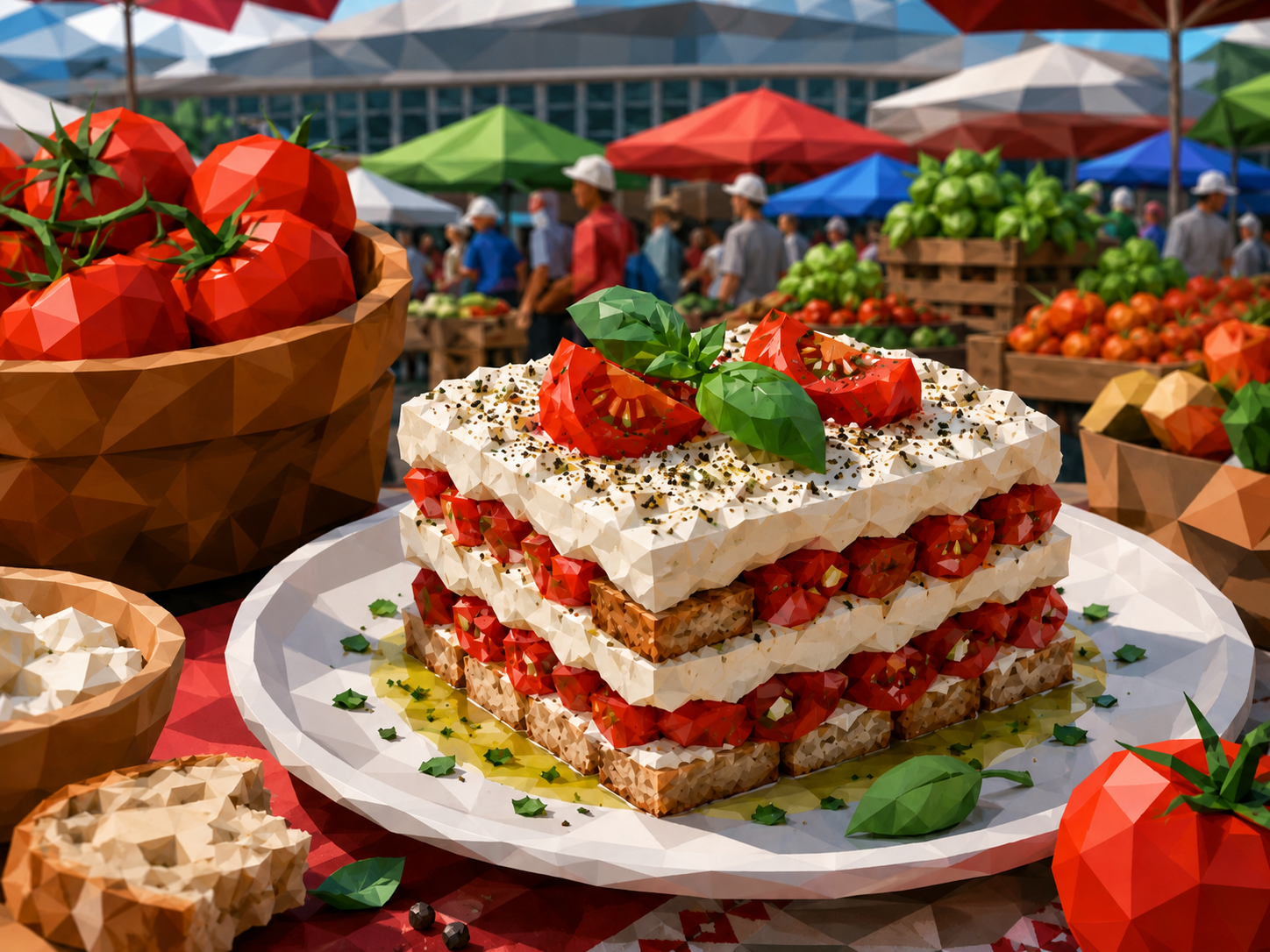
Gabriel Alexe co-owns two casual dining restaurants downtown: Bucătăria.localfood (Local Food Kitchen), opened in 2021, and Mosafir Bistro, opened in 2024. Both run short seasonal menus with cultural nods built in: the Tiramisù de Obor, a tomato-cheese-bread dish that references the Italian dessert, the Romanian obsession with tomatoes in season, and Obor, the city's largest farmers' market.
What has actually become more expensive in the past few months?
"Pretty much everything." Raw materials first, fuel prices pushed up the cost of vegetables, eggs, dairy, cheese, meat, and consumables down to napkins and dish detergent. Alexe estimates 15-20% over six to eight months, on top of increases already building before that.
Romanian wines, unfortunately, are losing a bit of ground here because, in terms of the price-to-quality ratio, they are being outcompeted by wines from Spain and Italy.
- Gabriel Alexe, Mosafir Bistro
Then there's the state: over the last 10-12 months, dividend tax, profit tax and social contributions have all gone up. "Last month alone, we paid 75,000 lei (€14,315) in taxes for one quarter." Rent is the one stable line: a five-year contract negotiated at the start, held steady by a good relationship with the landlord.
Is this a genuinely new price hike, or old cost pressure finally arriving?
Alexe thinks the real damage is psychological, and partly media-made. The international shocks: conflict, fuel disruption, hit hard through the coverage.
The combined effect of war in Iran, movements on the markets, all these negative things is a more cautious consumer.
The guest who went out two or three times a week now comes Saturday only. The bottle of wine becomes a glass, or water. The starter gets skipped or shared. The average spending per customer has dropped quite a lot.
How often do you review prices?