Ioana Mihai had a fantasy about her product launch: the head of the Romanian Orthodox Church would publicly condemn it. Free national press, instant notoriety, the perfect stunt. It never happened, nobody protested, but her funeral cake still sold.
'Colivă' is the dessert that closes funeral and commemoration meals across southern and eastern Romania: boiled wheat berries with sugar, citrus zest, vanilla, rum and a great deal of ground walnut, decorated with an Orthodox cross. To be served, it has to be blessed by a priest. Ioana grew up with it and at eight announced she'd start a colivă business so she could finally eat her fill.
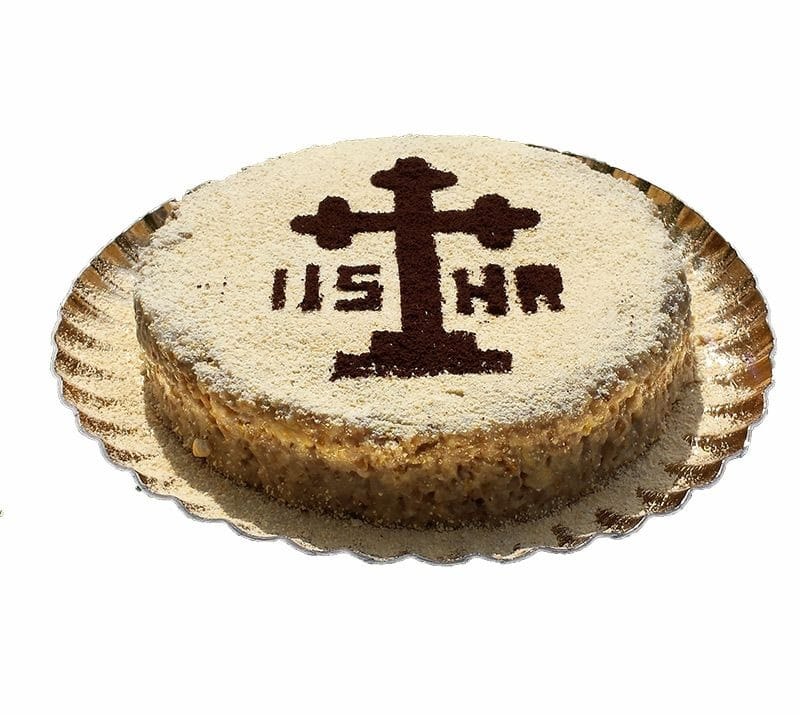
In 2022, aged 32 and working as a marketer, she did. She bet her generation would buy nostalgia and tourists would buy novelty, developed variants with fruit, chocolate, jam, nuts and - for Halloween - black tahini, and launched in 2024 as Mori, colive de viață ("Die! Colivas for living").
Sales have swung between a few hundred and 4,000 units a month but now Carrefour and Freshful have now picked it up for distribution, which completely changes the math.
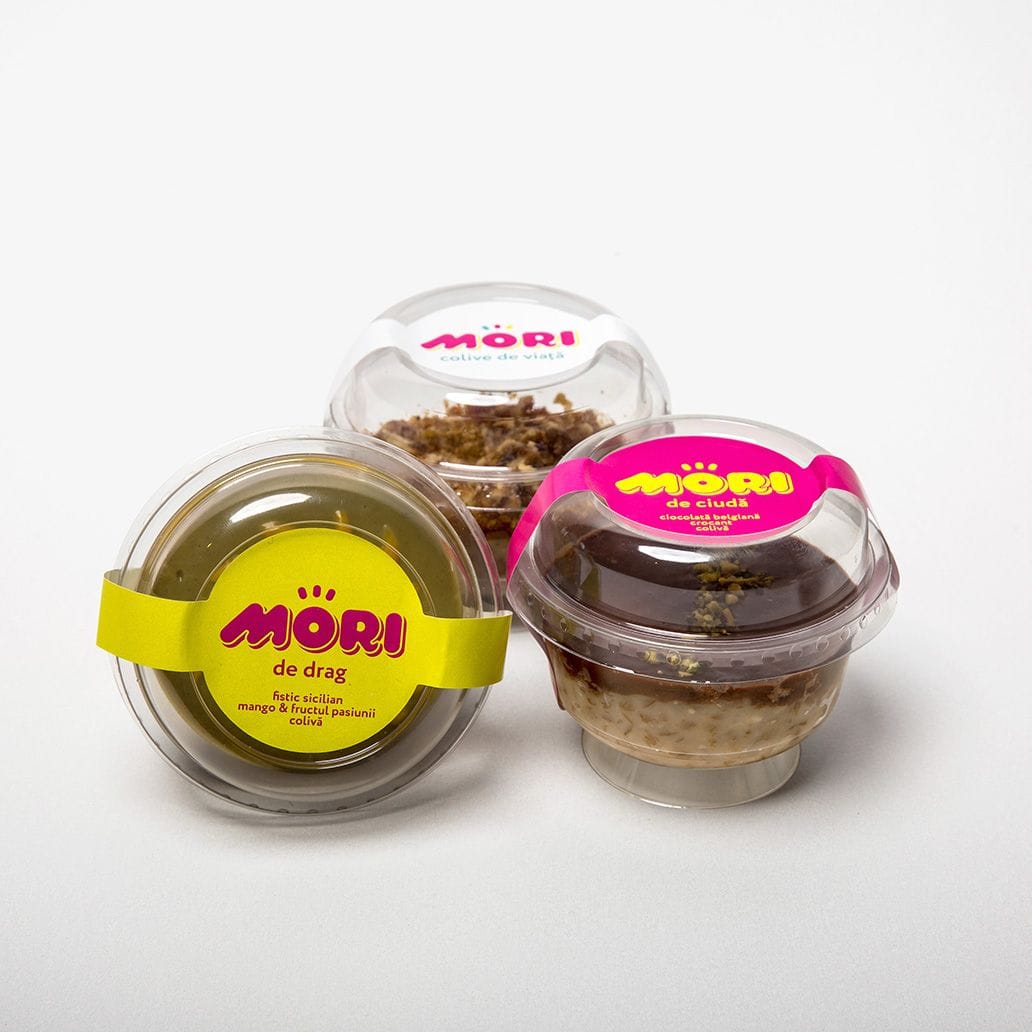
Her explanation of success: it's good colivă. Her grandmother's recipe, traditional enough for the nostalgic, daring enough on the toppings to pull in the curious.
She's not alone.
Once a dish becomes iconic enough in this region, it gets stuffed, wrapped, deep-fried, turned into a burger or a pizza.
Some become bestsellers, others perhaps, should never have happened.
Today, we'll show you both the absurdity and the real economics at play.
Hungary: 'lángos' as national monument
Hungary's two most bastardised foods, 'lángos' and 'kürtős kalács' (chimney cake), share a foundation: simple yeast dough. Once people love the base, anything can be built on top.